
The Brittany Spaniel: temperament, needs, health and training
A passionate, sensitive pointing dog deeply attached to its family
The Brittany Spaniel is a versatile gundog, known for its intelligence, energy and close bond with people. It can be a wonderful family dog, provided that its physical, mental and emotional needs are genuinely met.
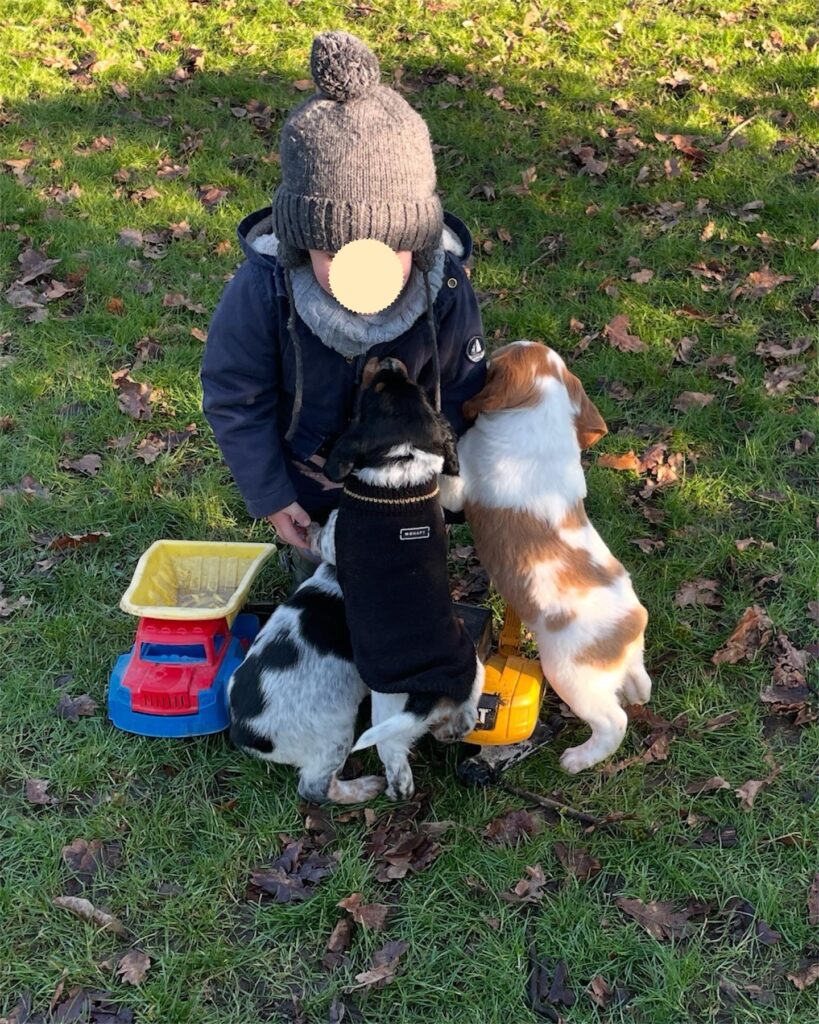
A gundog that is close to its family
The Brittany Spaniel is sociable, attentive and strongly attached to its family. It naturally seeks human contact and enjoys being involved in everyday family life.
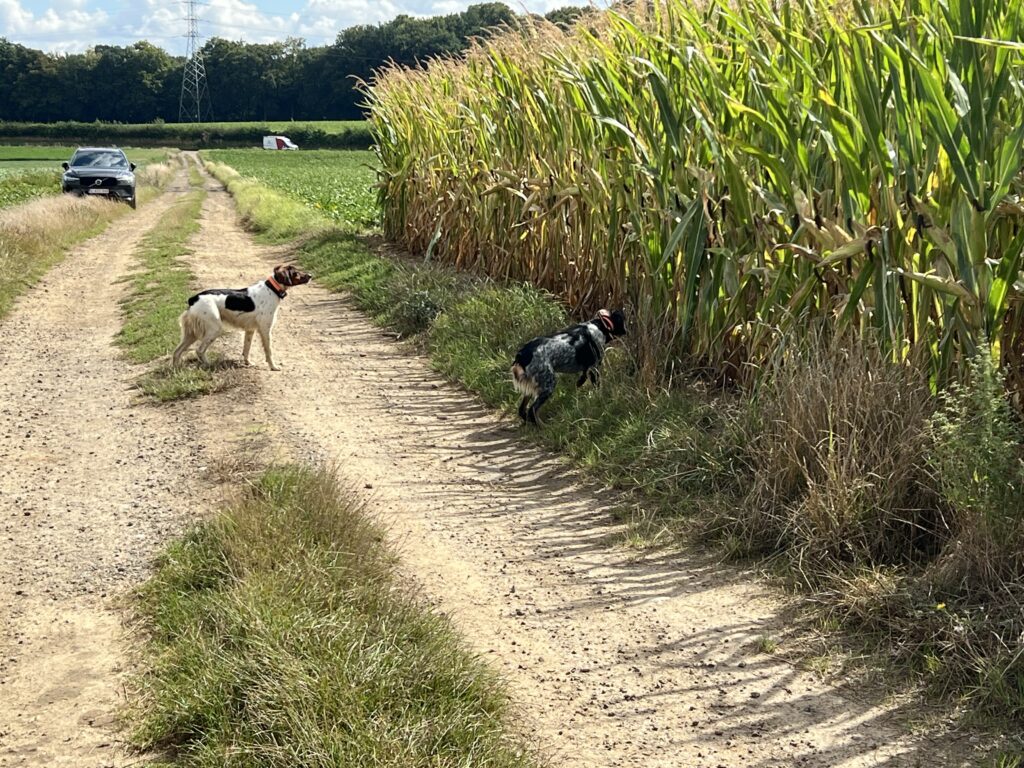
Its hunting instinct remains a central characteristic of the breed. Even when living primarily as a companion, it will generally retain a strong interest in exploring, following scents, searching and spending time outdoors.
It can live very happily with children when interactions are supervised, the dog has been properly socialised and everyone is taught to respect its boundaries.
Sensitive and willing, it thrives with a present and consistent family that is ready to make the dog a genuine part of daily life.
Real physical and mental needs
A short toilet walk will generally not meet all the needs of a Brittany Spaniel. It needs daily physical exercise, but also opportunities to think, use its nose, explore and learn.
- active walks and varied outings;
- scent work, searching and retrieving games;
- regular training and shared activities;
- rest and opportunities to settle calmly.
The breed is less suited to a household where people are away for long periods or want a naturally quiet dog without daily involvement. A lasting lack of activity, company or clear guidance may lead to restlessness, frustration and difficult behaviour.
Gentle, clear and progressive training
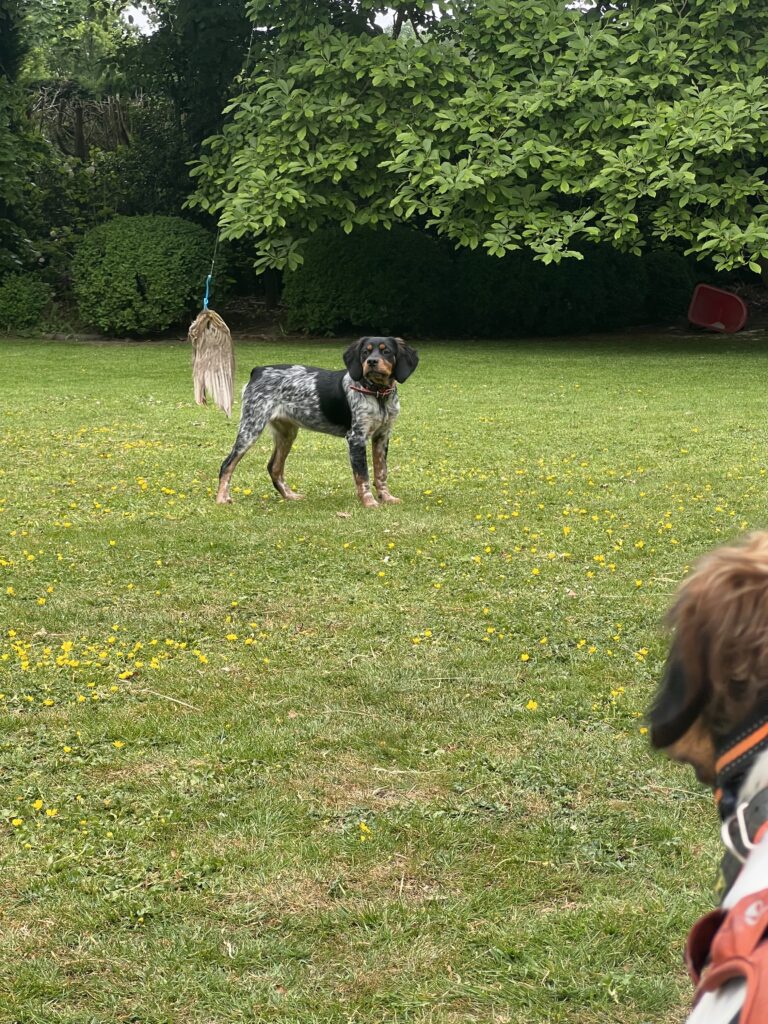
The Brittany Spaniel learns quickly and responds particularly well to positive, consistent and regular training. Kindness does not mean an absence of boundaries: rules should be clear, consistent and appropriate for the dog’s age.
Recall, lead walking, managing excitement and learning to settle are developed gradually. The breed’s natural instincts should be understood and channelled rather than suppressed.
Socialisation does not mean exposing a puppy to as many uncontrolled encounters as possible. It means gradually introducing people, animals, sounds, environments and situations in safe and positive conditions.
The aim is not simply to have an obedient dog, but a balanced and confident companion that can adapt to family life.
Health and grooming
The Brittany Spaniel is a hardy dog, but no dog is entirely free from health problems. Regular veterinary care, a suitable diet, maintaining a healthy weight and age-appropriate exercise remain essential throughout its life. Careful selection of breeding dogs and appropriate health examinations help reduce certain risks, but can never eliminate them entirely.
Its coat is easy to maintain and is often described as self-cleaning: once dry, much of the dirt falls away naturally. As long as the dog does not have an unusual odour, there is no need to bathe it. We wash our dogs two or three times a year with a suitable shampoo. After a muddy walk, a rinse with clean water is usually enough.
Regular brushing removes dead hair and provides an opportunity to check the skin. A Furminator can be used gently when a puppy is changing from its puppy coat to its adult coat. During shedding periods, which can vary in intensity depending on the season and weather, brushing every other day helps keep loose hair under control. The ears, eyes and paws should also be checked after outings. Any persistent redness, pain, unusual smell or discomfort requires veterinary advice.
Our role as breeders
From their first weeks, our puppies are gradually introduced to everyday sounds, different environments, our children and other dogs. We observe each puppy so that we can support families and help them understand its individual temperament and needs.